



Have You Ever Been Interrupted by That “Click” from a Thermal Camera?
If you’ve used a traditional thermal camera, you may have noticed it before.
You’re watching an animal move through the yard, scanning a wall for insulation issues, or checking an AC system when suddenly—
click.
The image pauses for a brief moment. Then the scan continues. A little while later, it happens again.
That sound and image interruption usually come from a small mechanical component inside many traditional thermal cameras: the physical shutter.
For years, shutters have been part of the way thermal cameras maintain image consistency. But they also create an unwanted side effect: interruptions during live viewing. That’s where Shutterless thermal imaging technology comes in.
Instead of relying on a mechanical shutter to periodically block the detector, Shutterless technology keeps the image running continuously in the background—helping create a smoother, quieter viewing experience.
Part 1: What Is That “Click” Actually Doing?
To understand why thermal cameras click, we first need to talk about something called:
NUC — Non-Uniformity Correction. It sounds technical, but the idea is pretty simple.
A thermal camera detector is made up of thousands of pixels that sense infrared energy. As the camera operates, changes in internal temperature and the surrounding environment can cause tiny differences in how those pixels respond. If those differences aren’t corrected, the image may gradually become less uniform. So the camera periodically needs to recalibrate itself and bring those pixels back to the same reference point.
How Traditional Thermal Cameras Do It
Most traditional thermal cameras use a small mechanical shutter. When the camera needs to recalibrate, the shutter briefly moves in front of the detector and blocks the scene.
It’s a little like blinking. When your eyes close for a moment, your view is briefly interrupted. A mechanical shutter does something similar: it temporarily blocks what the thermal detector is seeing so the system can recalibrate. That’s where the familiar: click → pause → resume comes from. This is a proven and widely used approach. But during continuous scanning, it can break the viewing rhythm.
Part 2: How Shutterless Technology Changes the Experience

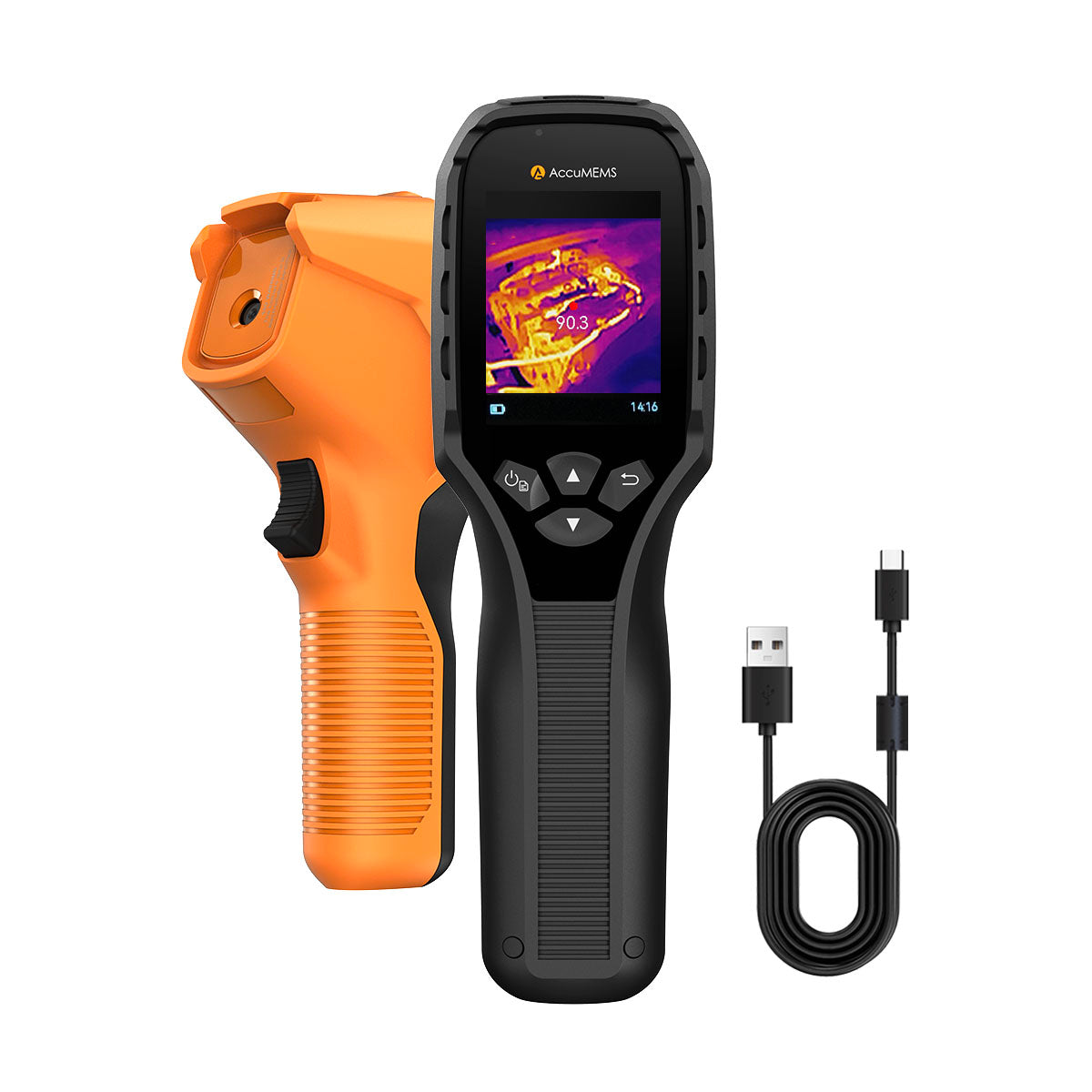
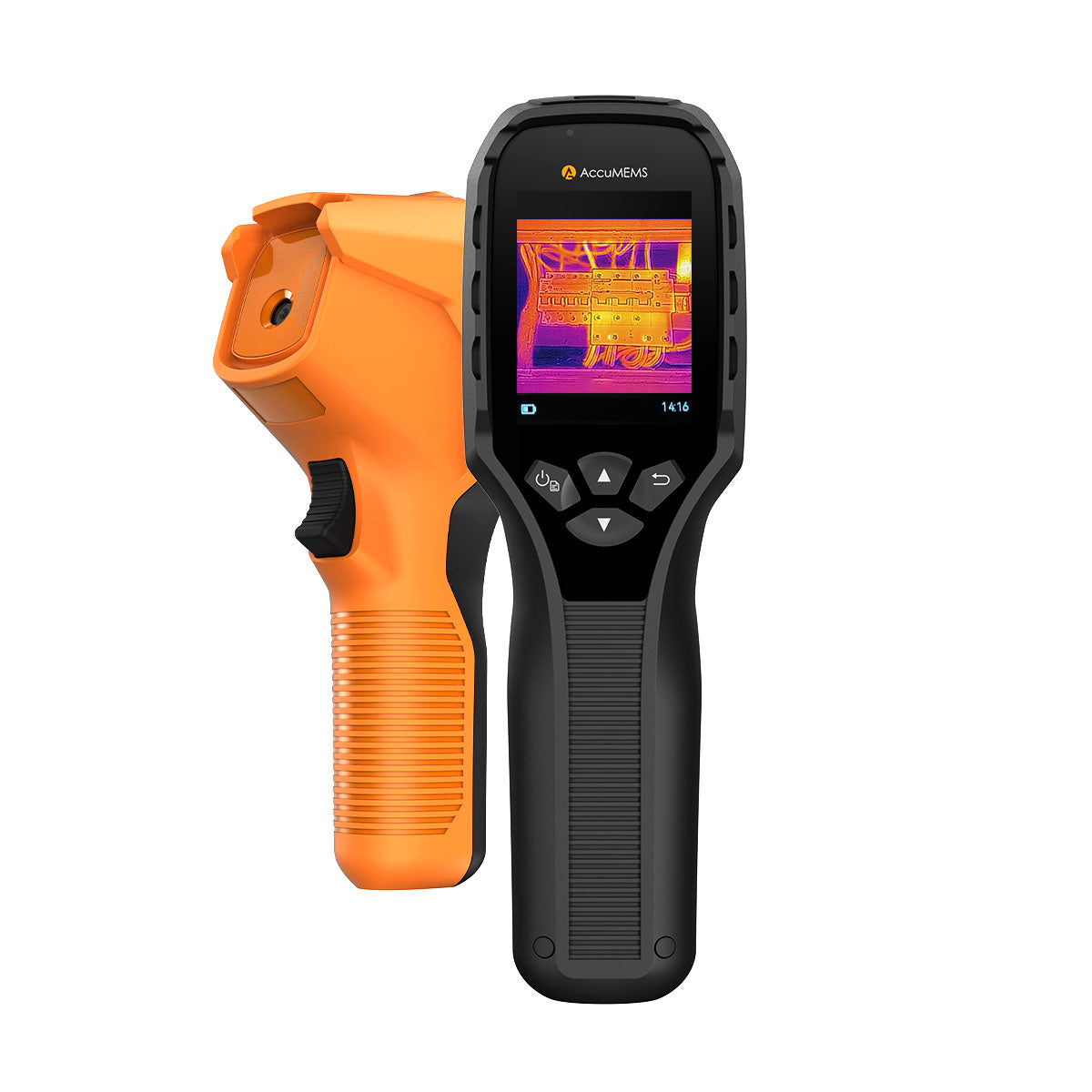
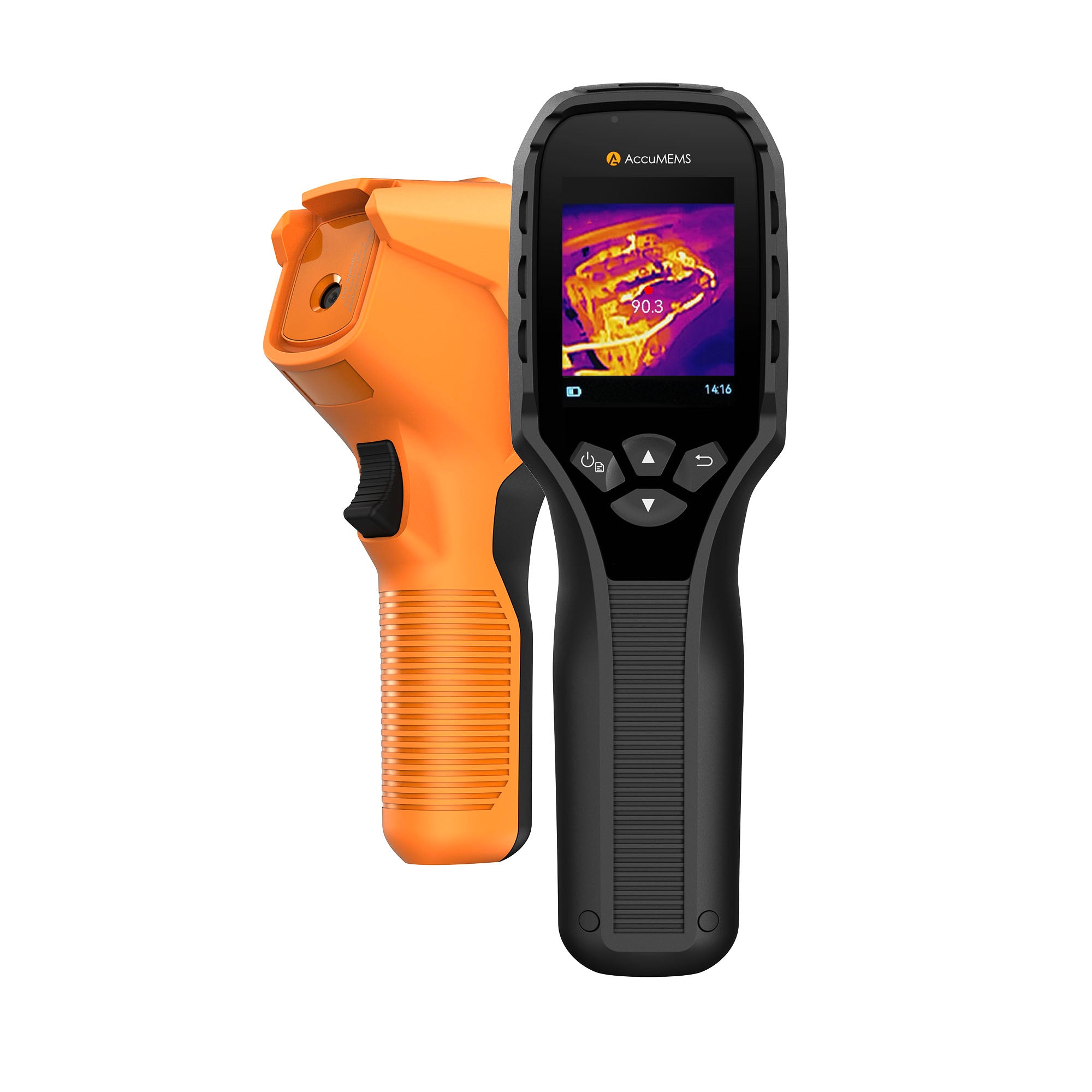
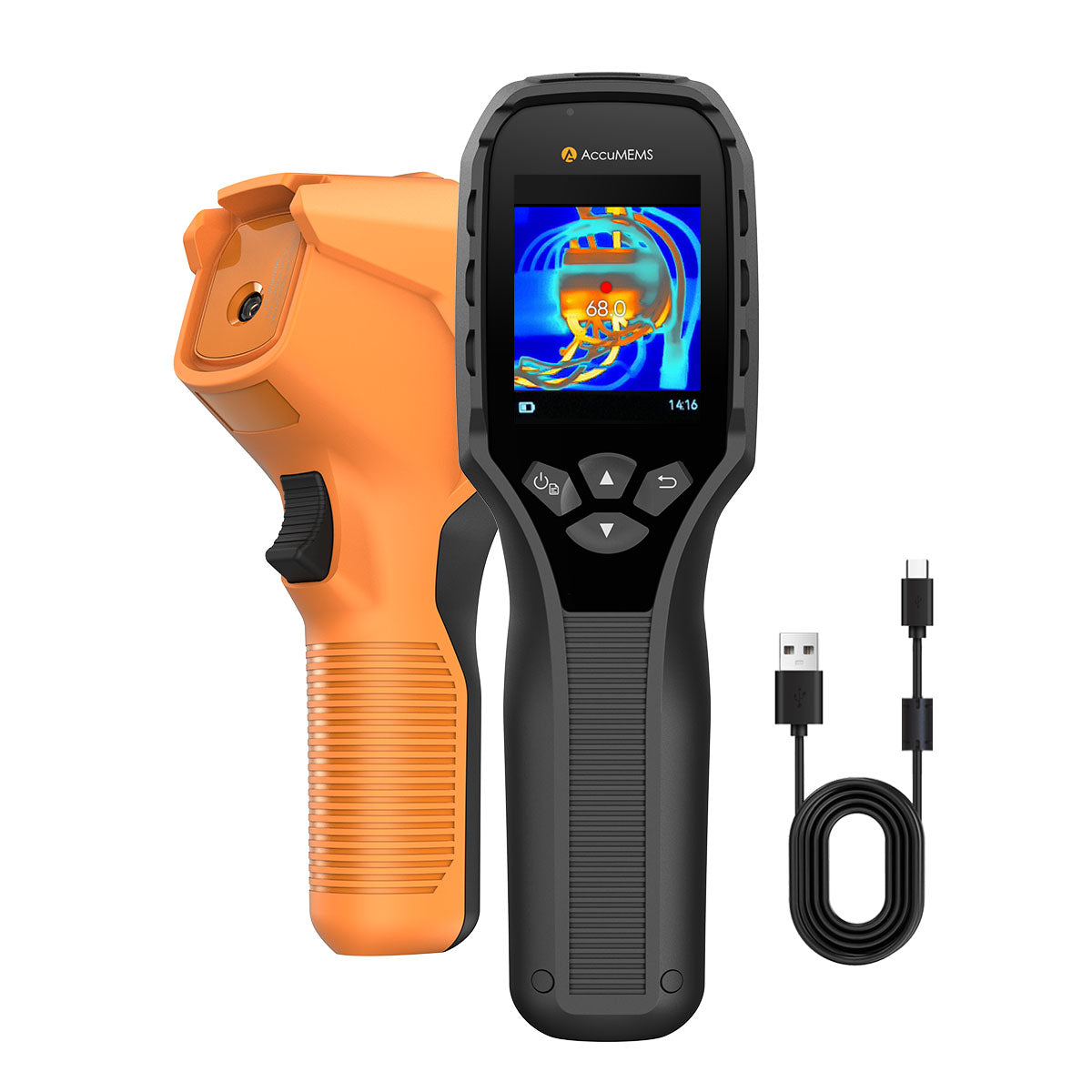
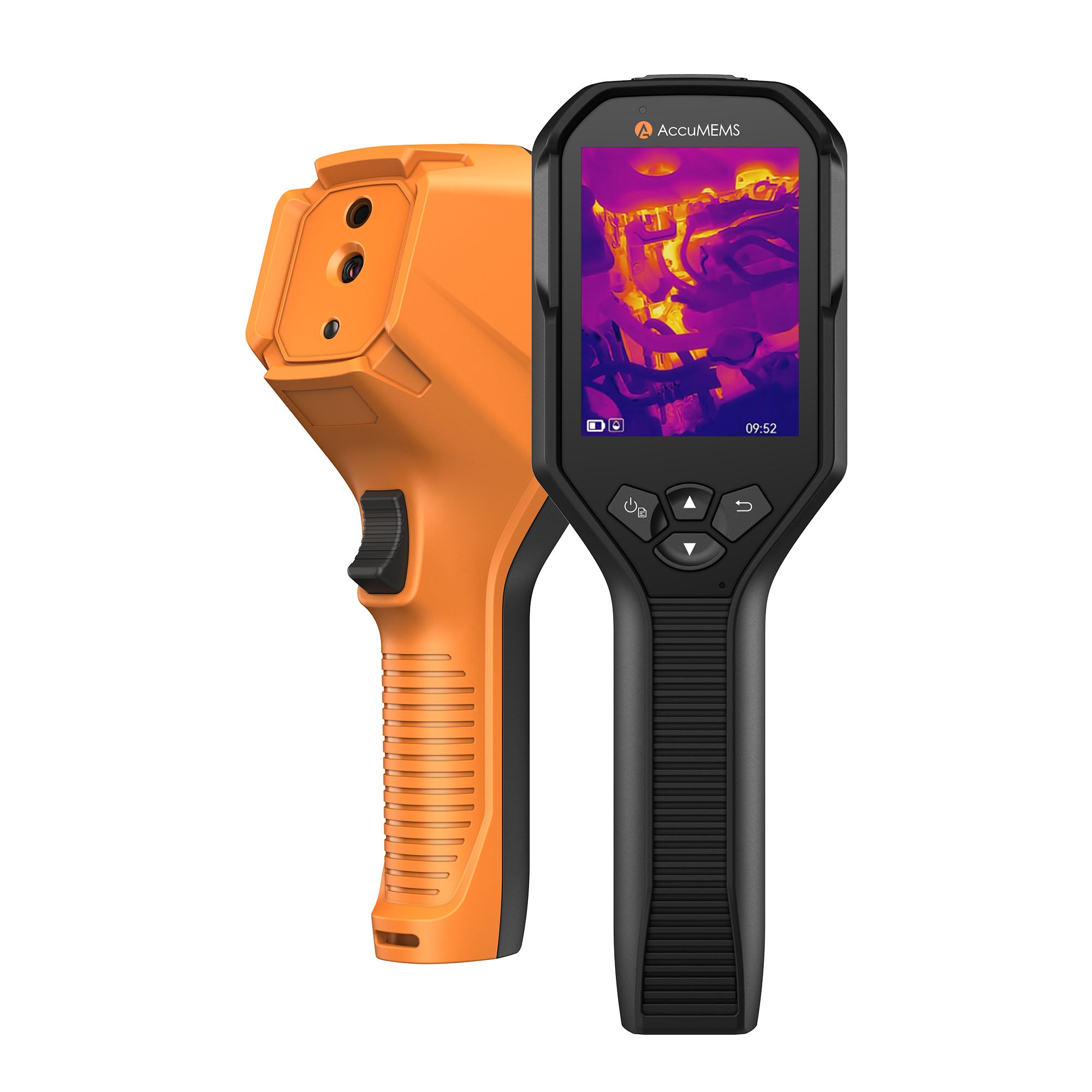
The AccuMEMS SK00 takes a different approach. Instead of relying on a physical shutter that repeatedly moves in and out of the detector’s path, Shutterless technology uses sensor control and image-correction algorithms to compensate for detector changes electronically. In other words: the correction still happens, but the camera doesn’t need a mechanical shutter to interrupt the view.
For the user, that creates three very noticeable benefits.
No Periodic Mechanical Clicking
Without a shutter repeatedly opening and closing, there’s no routine mechanical click during imaging. That makes the experience quieter and less distracting.
No Routine Shutter-Induced Image Freeze
Because the detector is not periodically blocked by a physical shutter, the image doesn’t need to pause for that mechanical calibration cycle. That means a more continuous viewing experience.
Smoother Real-Time Scanning
Pair Shutterless imaging with the SK00’s 25Hz refresh rate, and the result is a smoother, more natural live view when the camera is moving. 25Hz helps motion look fluid. Shutterless technology helps keep that fluid motion from being interrupted. Together, they make real-time thermal scanning feel more seamless.
Part 3: Where Shutterless Technology Makes the Biggest Difference
The benefits of Shutterless technology are easiest to notice when you’re moving the camera and watching temperature changes in real time.
For example:
-
Home inspection: Scan across walls, window frames, and corners to look for unusual temperature differences.
-
HVAC and electrical inspection: Move quickly across multiple components, then stop to investigate anything that stands out.
-
Animal observation and everyday use: Follow moving subjects while keeping the live thermal image more continuous.
What these situations have in common is simple:
You’re not just taking a single thermal image. You’re continuously watching.
By reducing shutter-related interruptions, Shutterless technology helps make that viewing experience smoother and more natural.
A Smoother Way to Experience Thermal Imaging
Mechanical shutters have served thermal imaging technology well for many years. But for users, the best technology is often the technology they don’t have to think about.
With Shutterless technology, the AccuMEMS SK00 reduces the clicking and image interruptions commonly associated with traditional shutter-based thermal cameras.
Combined with 25Hz real-time thermal imaging, it delivers a smoother experience across home inspection, HVAC and electrical checks, animal observation, and everyday thermal exploration.
Less interruption. More continuous viewing. A simpler way to get started with thermal imaging.
AccuMEMS SK00
 Smooth Imaging. No Shutter Interruptions.



Leave a comment
This site is protected by hCaptcha and the hCaptcha Privacy Policy and Terms of Service apply.